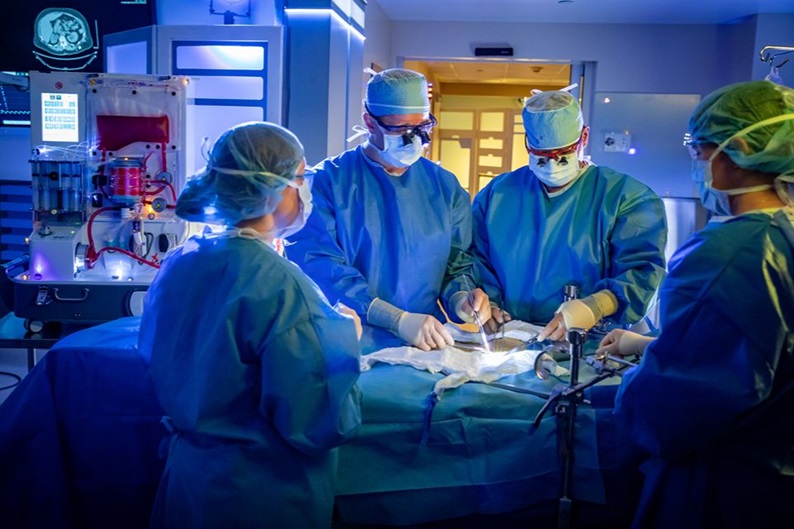
The TGH Lung Transplant Center performs both single and double lung transplants and specializes in personalized, end-to-end treatment options for adult patients who have been diagnosed with cystic fibrosis, pulmonary fibrosis, interstitial lung disease, pulmonary hypertension and other complex lung conditions.
The TGH Transplant Institute is ranked #5 in the nation and we are one of the most active lung transplant centers in the Southeast. Patient success after surgery exceeds national averages, and our specialty program is recognized by U.S. News & World Report as Top 10% in the Nation for Pulmonology & Lung Surgery.
Tampa General Hospital performed its first lung transplant in 2002. Since the program’s inception, our multidisciplinary team of experts has performed more than 920 lung transplants. The TGH Transplant Center continues to advance research in the field, exploring new methods for preserving the lung prior to transplantation and developing advanced techniques for detecting and treating rejection.
Why a Lung Transplant?
When someone develops advanced lung disease no matter the cause they may start to feel symptoms like shortness of breath, coughing, mucus, dizziness, and feeling very tired. Using supplemental oxygen through a small tube under the nose (a nasal cannula) can help make breathing easier.
For people with severe lung disease, a lung transplant may be an option. This is a major surgery where a doctor replaces one or both of the patient’s lungs with healthy donor lungs. Lung transplantation is considered when a person’s lung disease continues to worsen even after trying all available medical treatments.
Many patients are able to return to a good quality of life after a lung transplant—even if they receive just one lung.
Whether someone needs a single-lung or double-lung transplant depends on several factors, including:
- Any previous chest surgeries
- The type of lung disease
- Whether pulmonary hypertension (high pressure in the lungs) is present
- Whether there is an active infection
- How much blood flow each lung is receiving
The lung transplant team will review all necessary tests and decide which type of transplant—single or double—is safest and most appropriate for each patient.
The lungs are the main organs that help us breathe. They sit inside the chest and are protected by 12 pairs of ribs. The right lung has three parts, called the upper, middle, and lower lobes. The left lung has two lobes upper and lower. Healthy lungs are soft and spongy. Their job is to take oxygen from the air we breathe in and remove carbon dioxide, which is a waste gas our bodies produce. This process is called gas exchange. Oxygen is delivered to every part of the body and is needed for our cells to create energy. Carbon dioxide, the waste product of this process, is carried back to the lungs, where it is breathed out. This constant exchange keeps our bodies working properly The Function of the Lungs
End Stage Lung Disease
In some severe lung diseases, the lungs become damaged and can no longer do their job of taking in enough oxygen or removing carbon dioxide. When this happens, the body’s tissues do not get the oxygen they need, and carbon dioxide can build up in the blood, which can make a person feel very sick.
These diseases include:
-
- Pulmonary fibrosis – scarring of the lungs that makes them stiff and hard to expand
- Chronic obstructive pulmonary disease (COPD) – long‑term lung damage that makes it difficult to breathe out
- Cystic fibrosis – a genetic condition that causes thick mucus to build up in the lungs
- Pulmonary hypertension – high blood pressure in the lungs that affects blood flow
- Sarcoidosis – inflammation that can cause lumps of tissue (granulomas) to form in the lungs
- Interstitial lung diseases – a group of conditions that cause inflammation and scarring of lung tissue
- NSIP (Nonspecific Interstitial Pneumonitis) – A type of ILD that causes inflammation and scarring but often progresses more slowly than other forms.
- Bronchiectasis – Widening and damage of the airways, leading to mucus buildup and repeated infections.
- Bronchiolitis – Inflammation of the smaller airways (bronchioles), making it harder for air to move in and out.
- LAM (Lymphangioleiomyomatosis) – A rare disease that causes abnormal cells to grow in the lungs, leading to cysts and breathing problems.
Am I a Candidate for Transplant?
Patients with advanced lung disease may be considered for lung transplantation if they understand and can meet all medical, personal, and social requirements. Certain conditions may make lung transplantation unsafe or not possible, including:
- Active nicotine use this includes cigarettes, chewing tobacco, nicotine patches or gum, and e cigarettes/vaping (must be nicotine‑free for at least 6 months)
- Recent cancer diagnosis (within the past 5 years, excluding some skin cancers)
- Severe physical debilitation or inability to walk 1,000 feet during a 6‑minute walk test
- Unable to establish a reliable caregiver plan
- Body mass index (BMI) outside eligibility criteria (18–32)
- Active infections, including tuberculosis or hepatitis
- Active alcohol or substance abuse
- Untreated or poorly controlled mental health conditions
- History of poor adherence to medical treatment
- Lack of insurance or financial resources to support transplant and lifelong care
Each patient is evaluated individually, and eligibility decisions are made with patient safety as the top priority.
Learn more about the Lung Transplant Journey
Discover what to expect throughout the lung transplant process from your initial consultation and waitlist approval to transplant preparation and caregiver responsibilities. Click below to learn more about each step of the journey.
Medical Leadership