
Advancing Non-Invasive Cardiac Diagnostics
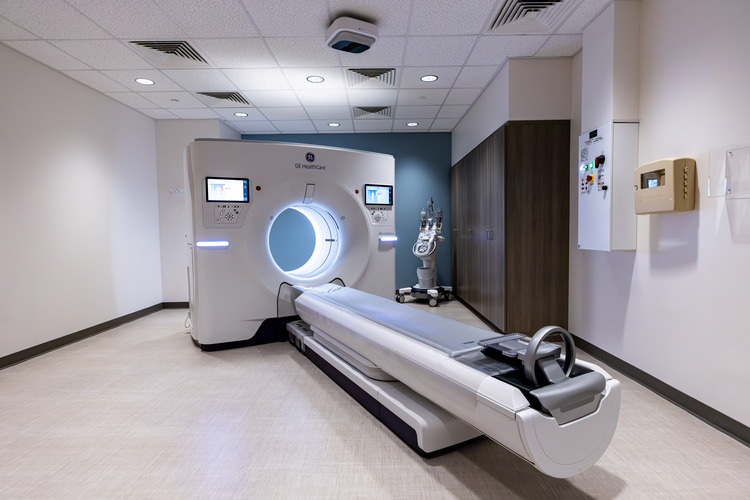
Tampa General Hospital’s (TGH) Heart & Vascular Institute is advancing the future of cardiac care through the development of its Cardiovascular Imaging Center of Excellence — a program focused on elevating diagnostic precision, expanding access, and enhancing outcomes through innovation in non-invasive cardiology.
As part of this initiative, Tampa General has introduced significant enhancements to its Non-Invasive Cardiology Department, including renovations and the integration of state-of-the-art imaging technologies designed to better serve a growing and increasingly complex patient population. These enhancements are particularly impactful for patients with:
- Valvular and Structural Heart Disease
- Ischemic Heart Disease
- Cardiomyopathy
- Heart Failure and Cardiac Transplantation
- Congenital Heart Disease
- Arrythmias
- Oncology Patients with Cardiac Disease
By strengthening its imaging capabilities, Tampa General is enabling more accurate diagnoses and earlier intervention — supporting improved care pathways for high-risk cardiac patients.
Expanding Expertise and Access in Advanced Cardiac Imaging
A key milestone in the center's growth is the expansion of advanced cardiac imaging services and leadership. Tampa General has welcomed Dr. Arun Iyer as Cardiac MRI Medical Director, bringing extensive expertise that enhances the program’s diagnostic capabilities and clinical leadership.
In parallel, the introduction of new MRI magnets across multiple ambulatory sites is increasing both capacity and patient access to advanced cardiac imaging — ensuring timely, high-quality diagnostics across the region.
This expansion reflects TGH’s commitment to delivering highly specialized imaging services in convenient, patient-centered settings.
Advancing Coronary CTA with AI-Enabled Innovation
The Center continues to advance its Coronary CT Angiography (CTA) program through the integration of cutting-edge artificial intelligence tools. Current enhancements include technologies such as:
- FFR-CT for functional assessment of coronary lesions
- Advanced plaque analysis for improved risk stratification
These innovations allow for a more comprehensive, non-invasive evaluation of coronary artery disease — helping physicians improve diagnostic confidence and tailor treatment strategies to each patient’s needs.
Driving Collaboration and Clinical Excellence
Through initiatives such as Non-Invasive Cardiology Structural Heart Conferences, the program fosters multidisciplinary collaboration and continuous clinical learning—further strengthening care quality and coordination.
By combining advanced imaging, specialized expertise, and collaborative care models, the Cardiovascular Imaging Center of Excellence is positioned to play a critical role in the diagnosis and management of complex heart disease.