Sarcoidosis is a rare inflammatory disease that causes small lumps, called granulomas, to collect and affect tissue function. When this condition is present in the lungs, it is called pulmonary sarcoidosis. With pulmonary sarcoidosis, the granulomas affect how the lungs work and can cause further damage—and hinder the transfer of oxygen to the bloodstream—if they do not heal and go away on their own.
Quick Facts: Pulmonary Sarcoidosis at a Glance
- What it is: A rare inflammatory disease characterized by small lumps called granulomas forming in the lungs, which can damage tissue and hinder oxygen transfer to the bloodstream.
- Main Causes: The exact cause remains unknown, though medical experts suspect it may be triggered by genetics, bacterial infections, or viral infection.
- Common Warning Signs: Many individuals show no clear symptoms, but signs can include a persistent dry cough, shortness of breath, chest pain, fatigue, fever, unexplained weight loss, swollen lymph nodes, and eye inflammation.
- Diagnosis: Because symptoms often mimic other conditions, diagnosis typically involves ruling out other diseases through chest X-rays, CT scans, pulmonary function tests, blood tests, bronchoscopy, or a lung biopsy.
- Treatment Options: Many cases resolve on their own without intervention, but severe or symptomatic cases may require steroid medications, methotrexate, rehabilitation programs, oxygen therapy, or rarely, a lung transplant.
- Care at TGH: The TGH Lung Institute and the top-5-ranked TGH Transplant Institute offer personalized care and are founding members of the Global Sarcoidosis Clinic Alliance, dedicated to advancing treatments and research.
Pulmonary Sarcoidosis Causes
Medical experts still do not know the exact cause of pulmonary sarcoidosis, though they believe that the condition may be brought on by a few potential factors, including:
- Bacterial infections
- Viral infections
- Genetics
Recognizing the Symptoms of Pulmonary Sarcoidosis
Most people with pulmonary sarcoidosis do not show clear symptoms, making it difficult for them to know that they have the disease. If symptoms do appear, they may show up as:
- Shortness of breath
- Chest pain
- A dry, persistent cough
- Wheezing
- Fatigue
- Fever or night sweats
- Unexplained weight loss
- Swollen lymph nodes
- Inflammation and pain of the eyes
Many of these symptoms affect organs other than the lungs, so identifying the signs of pulmonary sarcoidosis is more difficult.
Diagnosing Pulmonary Sarcoidosis
Like most lung conditions, diagnosing pulmonary sarcoidosis will require a medical professional to inquire about your medical history, conduct a physical exam and also perform additional testing.
Your doctor may recommend:
- Imaging scans such as a chest X-ray or CT scan
- Pulmonary function tests to measure the lungs’ air-moving ability
- Blood tests to check blood oxygen levels and rule out other diseases
- A bronchoscopy to allow the doctor to view the airways of the lungs
- A lung biopsy to remove a small piece of lung tissue to be viewed under a microscope
Oftentimes, a pulmonary sarcoidosis diagnosis will occur when other lung conditions have been ruled out.
How is Pulmonary Sarcoidosis Treated?
In many cases, pulmonary sarcoidosis will heal and go away on its own without additional treatment. If symptoms are present or if the condition is severe, a medical professional may recommend rehabilitation programs, steroid medication to reduce inflammation or methotrexate if steroids do not work. In rare cases, oxygen therapy and even a lung transplant may be needed.
The pulmonary specialists at the TGH Lung Institute expertly treat severe cases of pulmonary sarcoidosis and develop a personalized treatment plan for each patient. The TGH Transplant Institute is ranked in the top 5 in the country, and our healthcare professionals can evaluate a patient’s need for a lung transplant on a case-by-case basis.
Global Leadership in Sarcoidosis Care
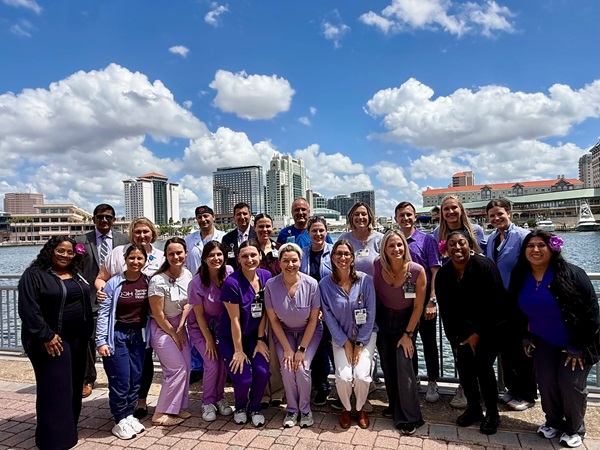
The USF Health Morsani College of Medicine and Tampa General Hospital pulmonary and critical care medicine program is proud to be a founding member of the newly established Global Sarcoidosis Clinic Alliance, launched in partnership with the Foundation for Sarcoidosis Research (FSR). This international alliance brings together leading clinics, hospitals, and providers dedicated to advancing sarcoidosis care through evidence‑based practice, collaborative research, and a shared commitment to improving the lives of those affected by the disease. As part of this global network, TGH and USF Health contribute expertise, innovation, and patient‑centered care to help accelerate progress toward better treatments and, ultimately, a cure.